Clogged Drains 101: DIY Fixes vs. Calling a Professional
Clogged drains often start as minor inconveniences but can quickly become disruptive, from slow-draining sinks to standing water in the shower. While many issues can be handled with the right DIY approach, others require professional support to prevent further damage. This guide covers common causes, practical ways to unclog drains, and how to determine when it’s best to call an expert, helping you respond confidently and avoid unnecessary stress or expense.
Identifying Common Causes of Clogging
Most clogged drains start with everyday materials that build up over time rather than a single major issue. In bathrooms, hair and soap residue tend to combine into stubborn blockages that restrict water flow. In kitchens, grease and food particles are usually the main culprits, especially when they are rinsed down the sink without proper disposal. These materials gradually narrow pipes until drainage slows or stops completely.
Foreign objects also play a bigger role than many people expect. Items like wipes, paper products, or small household debris can easily slip into drains and create immediate blockages. Unlike organic matter, these materials do not break down and often require more than a simple fix. Paying attention to what goes down your drains is one of the simplest ways to reduce the need to unclog drains later.
Environmental factors can contribute as well. Tree roots may invade underground pipes, and hard water can leave mineral deposits that build up over time. These issues develop more slowly but can lead to serious plumbing damage if ignored. Recognizing the source of the problem is the first step toward choosing the right solution.
Preventing Buildup With Simple Habits
Prevention is often more effective than any repair method. Small daily habits can significantly reduce the likelihood of needing to unclog drains in the first place. Using drain covers in showers and sinks helps catch hair and debris before they enter the plumbing system. Regularly emptying these covers takes only a few seconds but makes a noticeable difference over time.
Kitchen habits matter just as much. Avoid pouring grease or oil down the sink, even in small amounts, as it solidifies and sticks to pipe walls. Instead, dispose of it in a container and throw it away. Running cold water while using a garbage disposal also helps move particles through the system more efficiently.
Routine cleaning is another key factor. A simple flush with hot water or a mild solution can keep buildup from accumulating. According to guidance referenced by plumbing providers like Call Mother, sewer drains perform best when professionally cleaned roughly every 18 to 22 months. Staying consistent with maintenance helps avoid larger issues and keeps everything flowing as it should.
Applying DIY Methods for Unclogging
When a clog does happen, several DIY methods can help restore normal flow. The plunger is often the first and most effective tool for minor blockages. With the right technique and a proper seal, it can create enough pressure to break up clogs quickly. It is a simple, affordable option that every household should have on hand.
For slightly tougher situations, a drain snake or auger can reach deeper into the pipes. These tools physically break apart or pull out debris that plungers cannot handle. They are especially useful for bathroom drains where hair buildup is common. Learning how to use them correctly can make it much easier to unclog drains without causing damage.
Natural solutions also have their place. A combination of baking soda and vinegar can help loosen minor buildup, especially when used regularly. While it may not solve every problem, it is a safe and eco-friendly option for maintenance. These methods work best when applied early, before the clog becomes severe.
Comparing Chemical or Natural Solutions
Chemical drain cleaners are often marketed as quick fixes, and in some cases, they do work effectively. They are designed to break down organic material and clear blockages with minimal effort. However, they come with trade-offs that should not be ignored. Frequent use can weaken pipes over time and create safety concerns due to fumes and harsh ingredients.
Natural alternatives offer a gentler approach. Solutions like hot water, dish soap, or baking soda and vinegar are safer for both plumbing systems and the environment. While they may take longer to show results, they are less likely to cause long-term damage. Many homeowners prefer these methods for routine care and light clogs.
The key is understanding the severity of the problem. For minor issues, natural solutions are usually sufficient to unclog drains. For more stubborn blockages, stronger methods may be necessary, but they should be used carefully. Balancing effectiveness with safety helps maintain both your plumbing and your home environment.
Evaluating Benefits of DIY Fixing
Handling minor clogs yourself comes with clear advantages. Cost savings are one of the biggest benefits, as many DIY methods require only basic tools or household items. Over time, avoiding frequent service calls can make a noticeable difference in overall home maintenance expenses. It also gives you more control over how quickly issues are addressed.
There is also a convenience factor. When you can respond immediately, you prevent small problems from escalating into larger ones. Being able to unclog drains on your own schedule reduces downtime and keeps your daily routine running smoothly. This level of independence is especially valuable in busy households.
Another benefit is the learning experience. Each time you deal with a clog, you gain a better understanding of your plumbing system. This knowledge helps you recognize patterns and respond more effectively in the future. Over time, simple maintenance becomes second nature, reducing the likelihood of recurring issues.
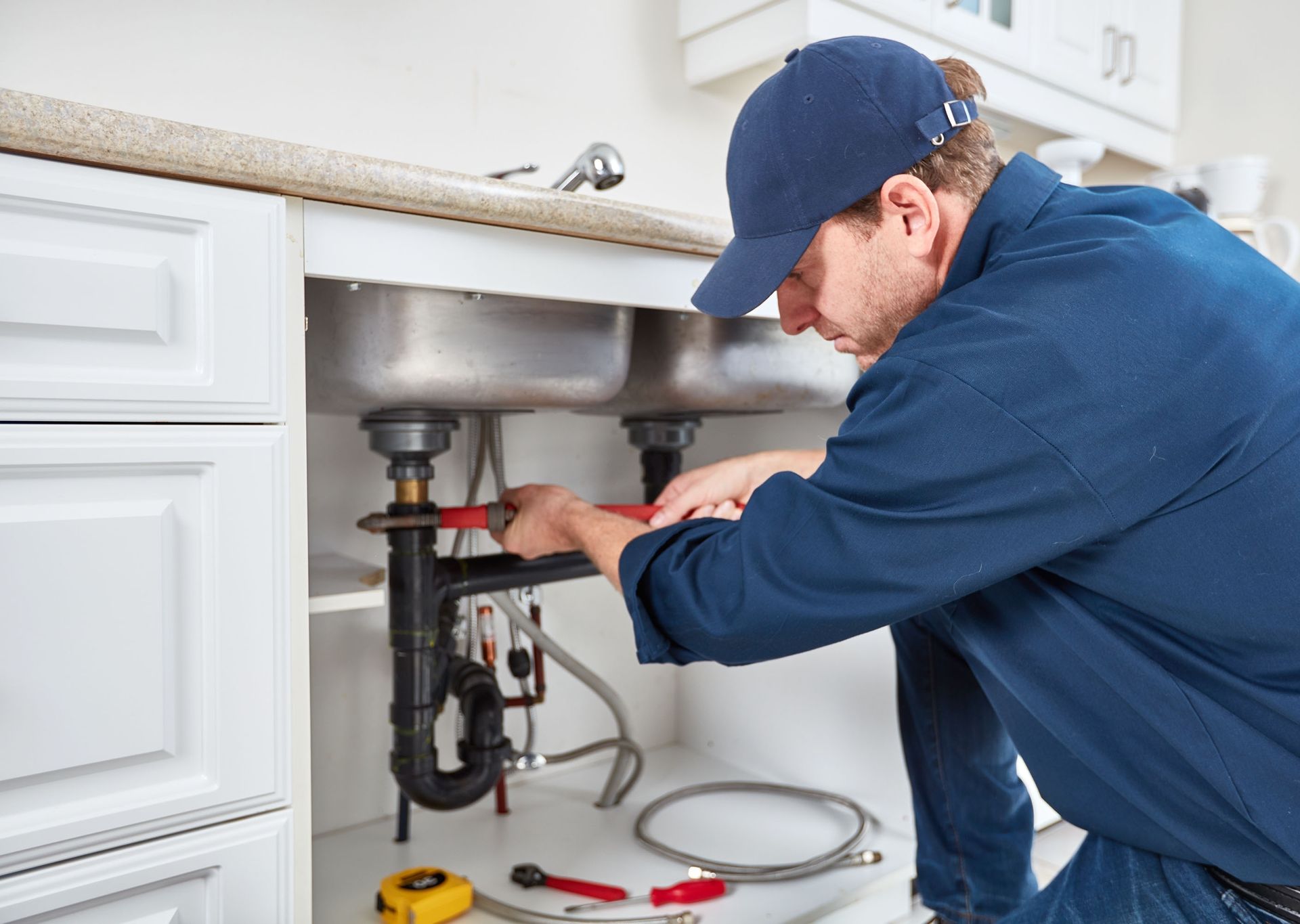
Recognizing When Calling a Professional
While DIY methods are effective for many situations, there are clear limits to what they can handle. Persistent clogs that keep returning often indicate a deeper issue within the plumbing system. In these cases, repeated attempts to unclog drains may only provide temporary relief. A professional can diagnose the root cause and offer a lasting solution.
Certain warning signs should not be ignored. Multiple drains backing up at once, unusual odors, or water pooling in unexpected areas can point to larger system problems. These issues often require specialized equipment, such as inspection cameras or hydro-jetting tools. Attempting to fix them without proper expertise can lead to further damage.
There is also the factor of time and effort. Some clogs are simply too complex or time-consuming to handle on your own. Bringing in a professional ensures the job is done correctly and efficiently. Knowing when to step back and call for help is just as important as knowing how to fix minor issues yourself.
Maintaining Long-Term Drain Performance
Long-term performance comes down to consistency and awareness. Regular maintenance, combined with smart daily habits, keeps your plumbing system in good condition. Simple actions like periodic flushing and mindful disposal practices reduce the need for frequent repairs. Over time, these habits become part of a routine that protects your home.
Professional maintenance should also be part of the plan. Even if everything seems to be working fine, periodic inspections can catch issues early. This proactive approach prevents unexpected disruptions and extends the lifespan of your plumbing system. It also reduces the likelihood of emergency repairs, which are often more costly.
Combining DIY care with occasional professional service creates a balanced strategy. You handle the small, manageable tasks while leaving complex issues to experts. This approach ensures that your efforts to unclog drains are effective without putting unnecessary strain on your system.
Clogged drains are common but manageable with the right approach. Simple DIY methods work well for minor issues, but knowing when to call a professional helps prevent bigger problems. Staying proactive and addressing clogs early keeps your plumbing running smoothly—reach out to A-List Drains Inc for reliable, expert help.
Share On: