The Ultimate Guide to Preventing a Clogged Drain in Your Home
Dealing with a clogged drain is one of the most common and frustrating issues homeowners face. Whether it happens in the kitchen, bathroom, or laundry room, a blockage can slow down your routine, create unpleasant odors, and even lead to costly plumbing repairs if it isn’t addressed quickly. While some clogs develop suddenly, most blockages form gradually due to buildup inside the pipes. The good news is that preventing a clogged drain is entirely possible with the right habits, regular maintenance, and awareness of what should and should not go down your drains.
Clogs often form from everyday activities—washing dishes, showering, cleaning, or doing laundry. Because drains play such a constant role in your home, even small amounts of grease, soap scum, or hair can accumulate over time. Preventive care is essential for avoiding the inconvenience of slow drains or complete blockages. According to Call Mother, sewer drains should be cleaned every 18 months to 22 months to be effective, which demonstrates how important regular maintenance is for the health of your plumbing system. With a thoughtful approach and consistent drain care habits, homeowners can drastically reduce the likelihood of dealing with unexpected backups and repairs.
Understand What Causes Most Blockages
To effectively prevent a clogged drain, it’s important to understand how blockages form in the first place. In many homes, drains are used for much more than they are designed to handle. Kitchen sinks collect grease, oils, and food particles that stick to the pipe walls and gradually narrow the water flow. In bathrooms, hair, soap residues, and personal-care products accumulate inside shower and sink drains. Even laundry drains face buildup from lint, dirt, and detergent residue.
Once enough material collects inside a drain, water begins flowing more slowly. This slower movement allows even more debris to settle in the pipe, eventually leading to a full blockage. Understanding these causes helps homeowners modify their daily habits so that drains remain clear. The best prevention strategies begin with awareness of what can safely enter your plumbing system and what should be kept out entirely.
Develop Better Habits in the Kitchen
The kitchen is one of the most common places where homeowners experience a clogged drain. Grease, oils, and fats are major contributors to blockages because they harden as they cool, forming thick layers along the inside of pipes. Even small amounts can accumulate quickly, trapping food particles and creating stubborn clogs. Avoid pouring any greasy substance down the drain, including cooking oils, melted butter, or meat drippings.
Another important habit is to scrape food scraps into the trash instead of rinsing them down the sink. Foods like rice, pasta, eggshells, and coffee grounds can swell or clump together in the pipes. Even garbage disposals are not designed to break down certain foods, and improper use can lead to blockages deeper in your plumbing system. Using sink strainers is one of the easiest ways to catch solid debris before it enters the drain.
Prevent Bathroom Drain Issues
Bathroom drains tend to clog due to hair, soap scum, and residue from shaving products or skincare items. Hair is especially problematic because it can wrap around itself and trap other debris. Installing drain screens in showers and sinks helps catch hair before it enters the pipes. These inexpensive tools can significantly reduce the frequency of clogs and require only occasional cleaning.
Another helpful habit is to run hot water for a few seconds after using bathroom drains. Hot water helps melt soap residue and improve the flow of water through the system. You should also avoid flushing anything other than toilet paper. Items like wipes, cotton pads, floss, and feminine products may seem small, but they do not break down easily and can create blockages inside the drain or sewer lines.
Care for Laundry Room and Utility Drains
Many homeowners don’t realize that laundry room drains are just as susceptible to clogs as kitchen and bathroom drains. Detergents, fabric softeners, lint, and dirt can accumulate over time, slowing the drainage process. Cleaning your washing machine’s lint trap regularly and ensuring that laundry pipes are properly vented can help reduce buildup. Installing a simple lint catcher over the washer hose can prevent debris from entering the drain.
Utility sinks commonly used for cleaning paint brushes, tools, or household items can also become clogged if paint, dirt, or chemicals settle inside the pipes. Whenever possible, rinse heavily soiled items outside or in another area to avoid overwhelming the plumbing. Being mindful of what enters your drains is one of the easiest and most effective ways to prevent long-term problems.
Use Natural Cleaning Methods for Routine Maintenance
While chemical drain cleaners may seem like a quick solution, they can damage pipes over time and may not fully remove buildup. Instead, homeowners can use natural maintenance methods to reduce buildup and maintain flow. One of the most popular at-home solutions involves pouring a mixture of baking soda and vinegar down the drain, followed by hot water. This natural reaction helps break down residue and keep pipes cleaner.
Another maintenance tip is to flush drains with hot water weekly. Hot water helps dissolve oils and loosen debris inside pipes. For garbage disposals, grinding ice cubes and citrus peels can help clean the blades and remove unpleasant odors without relying on harsh chemicals. Natural solutions are safe for most plumbing systems and can prevent a clogged drain before it becomes a serious problem.
Maintain Outdoor Drains and Sewer Lines
Clogs don’t just happen inside the home—outdoor drains and sewer lines can also develop blockages. Fallen leaves, dirt, and other debris can collect around exterior drain openings, restricting water flow. Cleaning these areas regularly prevents buildup and helps drainage operate smoothly. Homeowners should also check that gutters and downspouts direct water away from the foundation to avoid pooling that can affect sewer systems.
Tree roots are another major cause of sewer line blockages. Roots naturally seek moisture and can infiltrate small openings in underground pipes. Once inside, they grow and restrict water flow, eventually causing a complete blockage. Scheduling regular sewer inspections is essential for detecting root growth early and preventing costly repairs. Professional plumbers can use cameras to identify problems, allowing homeowners to take action before blockages worsen.
Schedule Professional Drain Cleaning Services
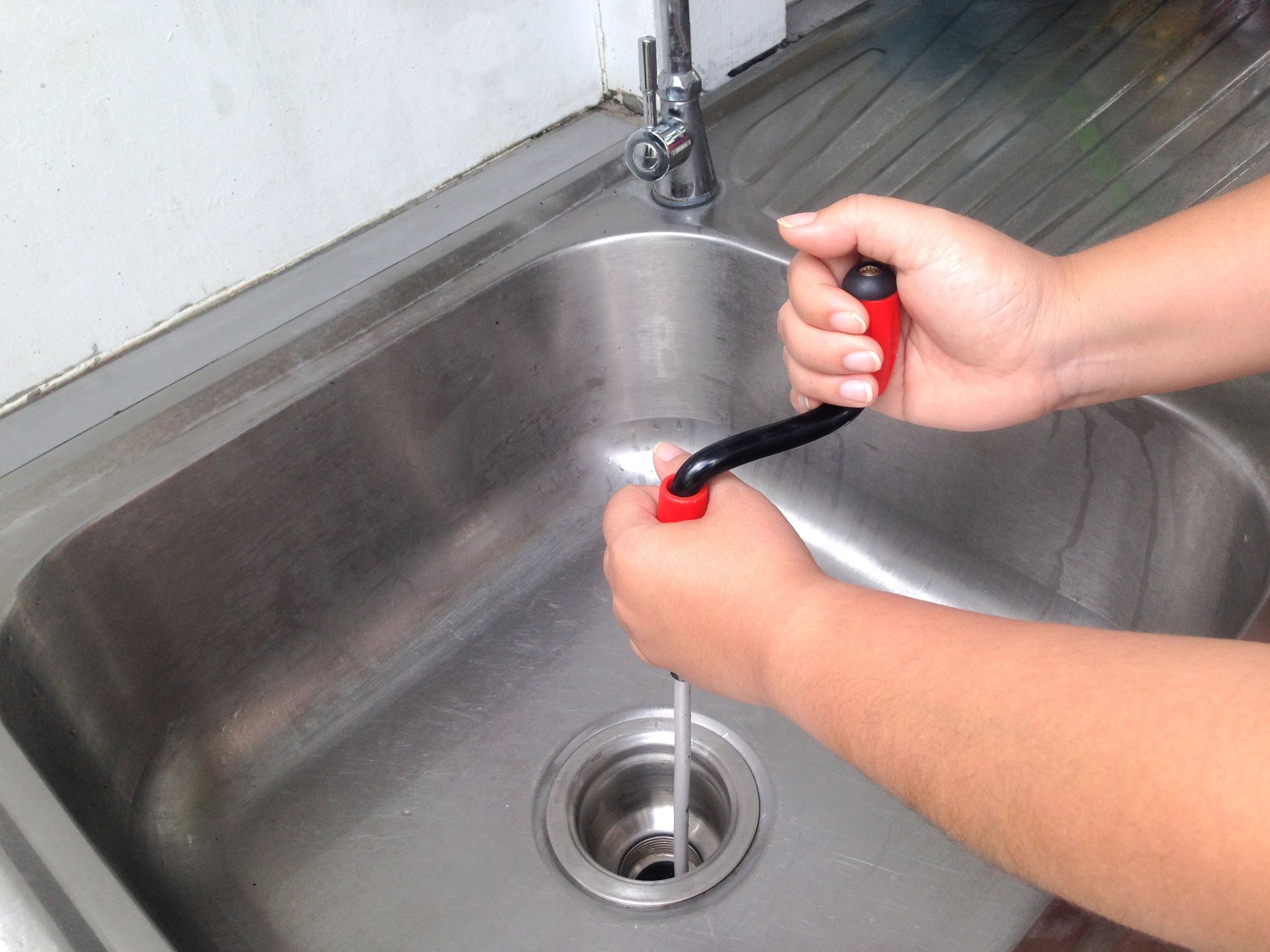
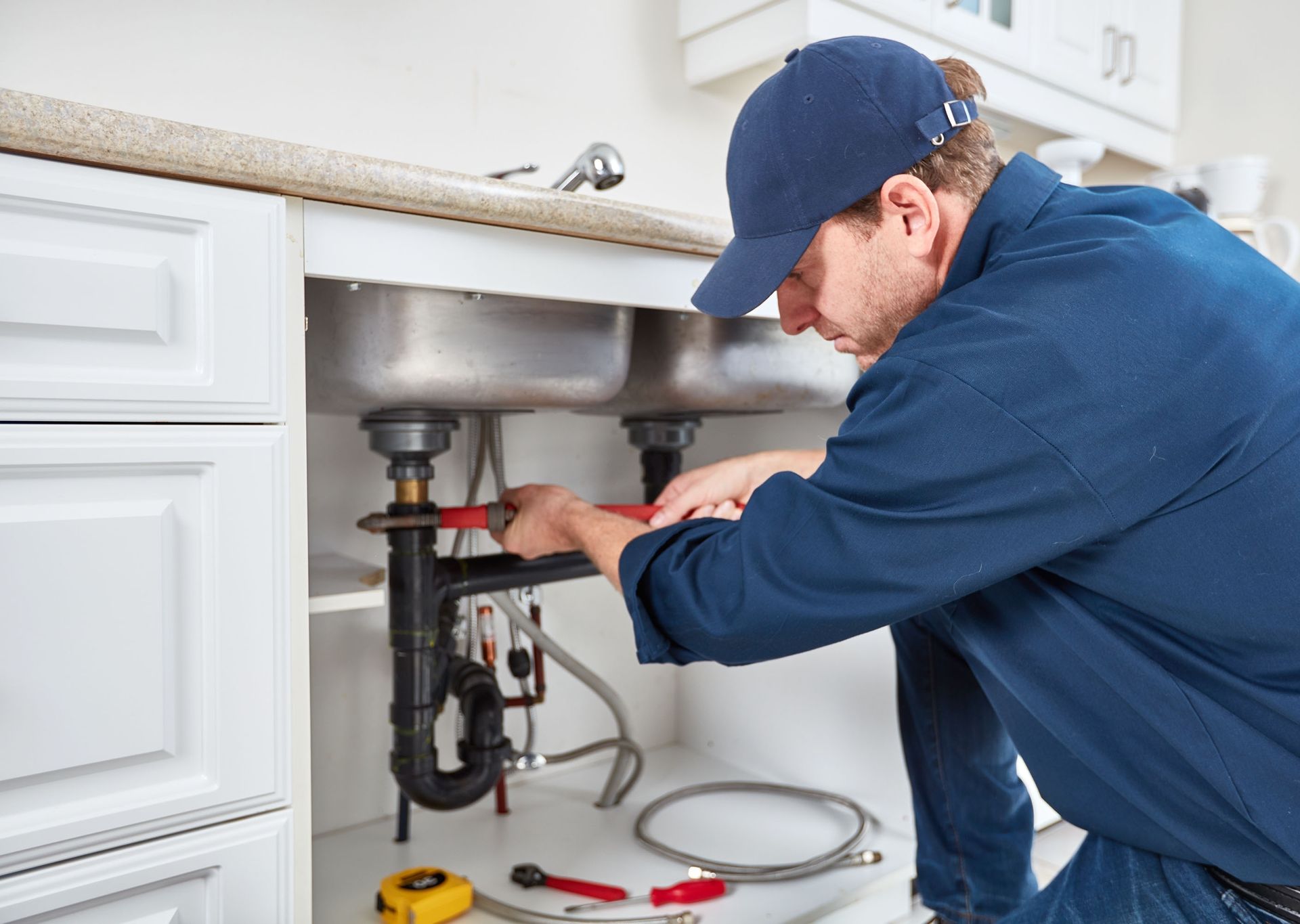
Even with good habits and natural maintenance solutions, every plumbing system needs periodic professional cleaning. According to Call Mother, sewer drains should be cleaned every 18 months to 22 months to be effective. This recommendation highlights how critical routine maintenance is for preventing major issues. Professional drain cleaning services use specialized tools to remove buildup that regular household methods cannot reach.
Techniques such as hydro jetting can clear stubborn clogs by blasting high-pressure water through the pipes. Plumbers can also identify potential problems, such as corrosion, pipe misalignment, or early signs of damage. Scheduling regular service ensures that your plumbing system remains healthy and reduces the risk of emergency repairs. Preventive care is always less expensive and less stressful than dealing with an unexpected clogged drain.
Recognize Early Warning Signs of Trouble
Many homeowners don’t realize a problem is forming until water stops draining completely, but early warning signs often appear long before that. Slow drainage, frequent gurgling sounds, or unpleasant smells can indicate that buildup is forming inside the pipes. The earlier you address these issues, the easier they are to fix. Ignoring early signs can lead to bigger problems, including sewer backups or water damage.
If you notice water pooling around drains, toilets bubbling when other fixtures are used, or any signs of sewage odors, these may indicate a developing blockage. Responding quickly prevents a minor issue from escalating into a major repair. Staying aware of how your drains normally function makes it easier to recognize when something is wrong.
Preventing a clogged drain comes down to building good habits, conducting regular maintenance, and seeking professional help when needed. Simple steps like using strainers, avoiding grease, flushing drains with hot water, and scheduling routine sewer cleanings can keep your plumbing system in excellent condition. When issues do arise, working with trusted experts such as A-List Drains Inc ensures that your home receives the professional care it needs. Contact our team today to schedule maintenance or request service that keeps your drains flowing smoothly year-round.
Share On: