6 Reasons Some Clogged Drains Keep Coming Back After Treatment
A clogged drain can disrupt daily routines, create unpleasant odors, and make ordinary household tasks frustrating. Although store-bought cleaners and temporary fixes may restore water flow, recurring blockages often indicate a deeper problem within the plumbing system. Without identifying the underlying cause, homeowners may find themselves dealing with the same slow or completely blocked drain repeatedly. Understanding why these problems return can help property owners choose more effective solutions, protect their pipes, and maintain reliable drainage throughout the home.
1. Incomplete Removal of Built-Up Debris
One common reason a drain becomes blocked again is that the original treatment removes only part of the obstruction. Hair, soap residue, grease, food particles, and other debris can accumulate along the interior walls of pipes. A temporary treatment might create a narrow passage for water without clearing the surrounding buildup, allowing the drain to function briefly before the remaining material catches additional debris.
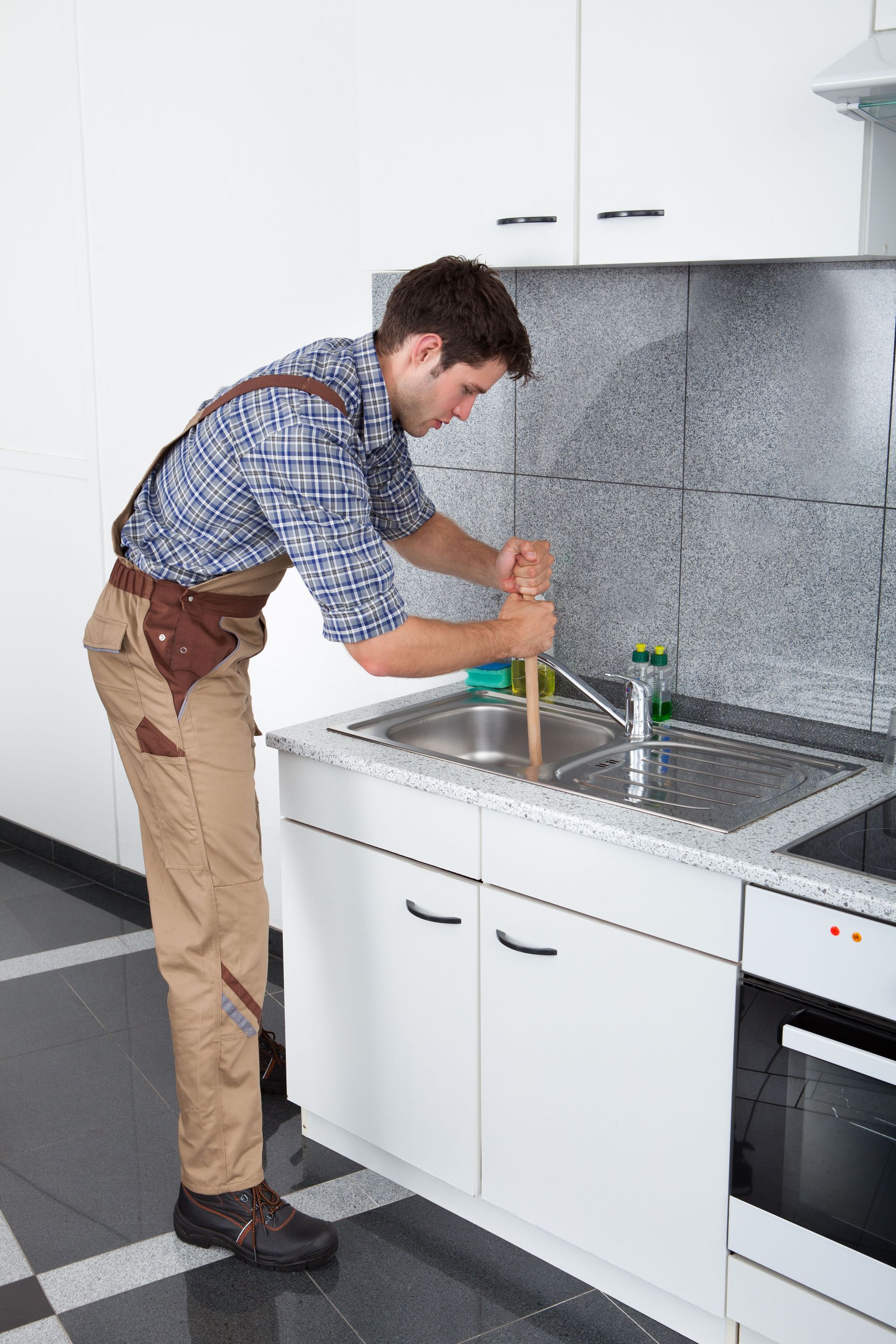
Professional clogged drain services can help address this problem by evaluating the blockage and selecting an appropriate cleaning method. Depending on the pipe's condition and the obstruction's location, a plumber may use specialized equipment to break apart or remove accumulated material.
Homeowners should pay attention when water begins draining slowly again shortly after treatment. This pattern may suggest that residue remains inside the pipe or that the initial solution did not reach the entire obstruction. A professional assessment can help determine whether additional cleaning is necessary or whether another plumbing issue is contributing to the repeated blockage.
2. Grease and Soap Residue Accumulation
Kitchen drains frequently experience problems when cooking grease, oils, and food residue enter the plumbing system. Although grease may flow down the drain while warm, it can cool and stick to pipe surfaces farther along the line. Over time, this sticky coating catches food particles and other debris, gradually narrowing the passage available for wastewater. Repeatedly flushing the drain may not remove the hardened accumulation.
Bathroom drains can develop a similar problem as soap residue combines with hair, skin oils, and minerals found in water. This mixture can form stubborn deposits that cling to the inside of pipes and collect additional material. Even after a visible obstruction is removed, residue may remain farther down the line and eventually restrict drainage again.
Changing everyday habits can help reduce these recurring problems. Avoid pouring cooking grease into sinks, scrape food scraps into the trash, and use suitable drain strainers to catch debris. In bathrooms, regularly remove collected hair from drain covers. When buildup continues despite these precautions, professional cleaning may be necessary to address deposits that ordinary household maintenance cannot adequately remove.
3. Improper Drain Cleaning Methods
Not every drain treatment is appropriate for every blockage. Chemical cleaners may temporarily dissolve certain materials, but they may be ineffective against dense obstructions, substantial grease deposits, or objects lodged inside pipes. Some products can also create safety concerns when mixed with other chemicals or used incorrectly. Repeated applications may delay proper diagnosis while the original problem remains unresolved.
Mechanical methods can also be ineffective when the equipment does not reach the obstruction or remove enough material. For example, a basic drain snake might create an opening through a blockage without clearing residue along the pipe walls. If the obstruction is located deep within the plumbing system, a different approach may be needed to reach and remove it completely.
Experienced plumbers can determine which treatment best suits the situation. Depending on the blockage and pipe condition, the solution may involve specialized drain cleaning equipment, careful mechanical removal, or further inspection. Choosing the correct method helps reduce the likelihood of repeated problems and avoids unnecessary attempts that may not address the actual cause.
4. Tree Roots or Damaged Pipes
Recurring blockages sometimes originate beyond the visible drain opening. Underground sewer lines can develop cracks, loose joints, or other defects as materials age and surrounding soil shifts. Tree roots may enter through small openings while seeking moisture, gradually spreading inside the pipe and catching toilet paper, waste, and other debris. As the obstruction grows, wastewater may drain increasingly slowly or back up into the property.
These problems often return because ordinary cleaning does not correct the structural defect. Removing roots or clearing accumulated debris may temporarily restore flow, but new growth and additional waste can create another blockage if the damaged section remains untreated. Repeated clogs affecting multiple fixtures may indicate a concern with the main sewer line rather than an isolated household drain.
A professional inspection can help identify whether roots, broken piping, or displaced joints are contributing to the problem. Depending on the findings, repairs may involve clearing the line, addressing the damaged section, or replacing affected pipe materials. Identifying the underlying defect is essential when blockages persist despite repeated cleaning attempts.
5. Flushing Inappropriate Materials
Some recurring drain problems develop because materials enter the plumbing system that the pipes were never designed to handle. Paper towels, wipes, hygiene products, cotton swabs, and similar items can become lodged inside drains or sewer lines. Products labeled as disposable may not break down as readily as toilet paper, allowing them to collect with other waste and create persistent obstructions.
Kitchen sinks can also become blocked when food scraps, coffee grounds, fibrous vegetable pieces, or other solids enter the plumbing system. Garbage disposals do not make every type of food waste suitable for disposal, and excessive amounts of scraps can contribute to buildup.
Preventing these issues begins with keeping inappropriate materials out of drains and toilets. Dispose of wipes, hygiene products, and household waste in the trash, and follow the manufacturer's guidance for any garbage disposal. If a blockage continues after changing these habits, clogged drain services can help determine whether accumulated waste or another obstruction is restricting the line.
6. Deeper Plumbing Problems Go Undetected
A drain that repeatedly backs up may be signaling a larger plumbing issue rather than a simple obstruction. Poor pipe slope, inadequate venting, deteriorating connections, and problems with the main sewer line can interfere with normal wastewater movement. These conditions may cause debris to collect in the same location or prevent wastewater from flowing away efficiently, allowing blockages to develop again after treatment.
Recognizing the pattern of the problem can help homeowners provide useful information during a plumbing inspection. For example, gurgling sounds, recurring backups in several fixtures, unpleasant sewer odors, or water rising in one drain when another fixture is used may suggest a broader issue.
Routine maintenance can also help identify developing concerns before they become disruptive. According to HomeGuide, arranging professional drain cleaning approximately every one to two years is a general maintenance recommendation, although the appropriate schedule depends on the property's plumbing condition and usage.
When repeated blockages occur, a thorough evaluation is more useful than continuing to treat the same symptoms. Professional clogged drain services can help identify contributing conditions, remove stubborn obstructions, and determine whether repairs are needed to restore reliable drainage. Addressing the source of the problem can help homeowners avoid repeated inconvenience and reduce the risk of more serious plumbing disruptions.
Recurring drain problems should not become a normal part of household maintenance. Whether the cause is stubborn buildup, improper disposal habits, damaged piping, or a hidden sewer line issue, identifying the underlying problem is the key to a lasting solution. Take action before another blockage disrupts your home. Contact A-List Drains Inc to address persistent drainage problems and get professional help restoring dependable flow throughout your plumbing system

Share On: