Top Causes of Clogged Drains and How to Avoid Them
Dealing with slow or completely stopped plumbing can disrupt an entire household within minutes. While many property owners view wastewater removal as a passive process, the complex network of hidden pipes requires consistent care to remain functional. Overlooking the early signs of restricted flow often results in extensive water damage, foul odors, and emergency situations that affect the entire structural integrity of a building. Understanding the internal mechanics of clogged drains is one of the first steps toward maintaining a trouble-free home.
Modern plumbing systems are engineered to handle water, human waste, and rapidly dissolving toilet tissue, yet they are frequently subjected to a variety of foreign substances. When materials that do not degrade are introduced into the drainage system, they gradually settle in the p-traps and horizontal lines. This accumulation narrows the passage available for water, creating a bottleneck effect that worsens with each subsequent use of the plumbing fixtures.
Accumulating Strands and Binding Elements
Everyday grooming routines inadvertently introduce hundreds of loose strands into bathroom fixtures during showers, shampoos, and shaves. Because human and pet hair is exceptionally durable and does not dissolve in water, it easily catches on the internal imperfections of metallic or plastic pipes. Over time, these individual strands entangle with one another, creating a web-like net beneath the drain opening that acts as a filter for all other passing materials. This persistent entanglement forms a dense mat that regular water pressure simply cannot dislodge or push through the system.
As more water flows through the line, this fibrous net catches soap particles, skin flakes, and microscopic debris, transforming a few loose strands into a dense, waterproof barrier. The structural integrity of this mass increases as it absorbs moisture and hardens within the pipe contours. This specific type of restriction typically manifests as a gradual slowdown of water evacuation in bathtubs and showers, eventually leading to standing water that poses sanitation risks.
Intercepting Heavy Cooking Byproducts
Kitchen plumbing faces an entirely different set of clogged drains challenges, primarily driven by the substances utilized during food preparation and cleanup. Liquid fats, oils, and grease may appear harmless when poured into a sink while still warm, but they undergo a rapid physical transformation as they travel deeper into the plumbing architecture. The ambient temperature of underground pipes causes these substances to cool instantly, reverting them into a thick, sticky solid that coats the inner lining of the wastewater lines. This coating acts like glue, ensuring that any subsequent waste entering the system becomes permanently attached to the pipe walls.
According to Atlas Obscura, one of the earliest sewer systems was the Cloaca Maxima, built around 600 BC. Even ancient systems had to manage the flow of organic waste, but modern kitchen byproducts create uniquely stubborn obstructions when grease acts as an adhesive. Once a layer of solidified fat attaches to the pipe walls, it captures every passing food particle, coffee ground, and grain of rice, rapidly reducing the functional diameter of the conduit until a total blockage occurs. This severe restriction forces wastewater backward, often resulting in contaminated water rising into adjacent kitchen sinks.
Depositing Mineral and Chemical Residuals
The chemical composition of municipal or well water supplies plays a silent but significant role in the longevity of residential waste lines. Hard water contains elevated concentrations of dissolved minerals, specifically calcium and magnesium, which naturally precipitate out of solution over time. As these minerals interact with the interior surfaces of your plumbing, they form a crusty, rock-like scale that is incredibly difficult to displace. This chalky buildup forms uniformly along the perimeter of the pipe, creating a rough texture that slows down the velocity of passing water.
This mineral scaling behaves much like cholesterol in an artery, slowly constricting the pathway available for wastewater. The problem is compounded when these mineral deposits interact with the fatty acids found in traditional bar soaps, resulting in a thick, insoluble compound known as soap scum. This sticky residue lines the pipes, trapping other debris and accelerating the formation of clogged drains throughout the entire property. The resulting film is highly resistant to standard rinsing, meaning it requires specialized attention to fully dissolve. As the layers build upon one another, the risk of a complete system backup increases exponentially across all household fixtures.
Filtering Unintended Objects and Trash
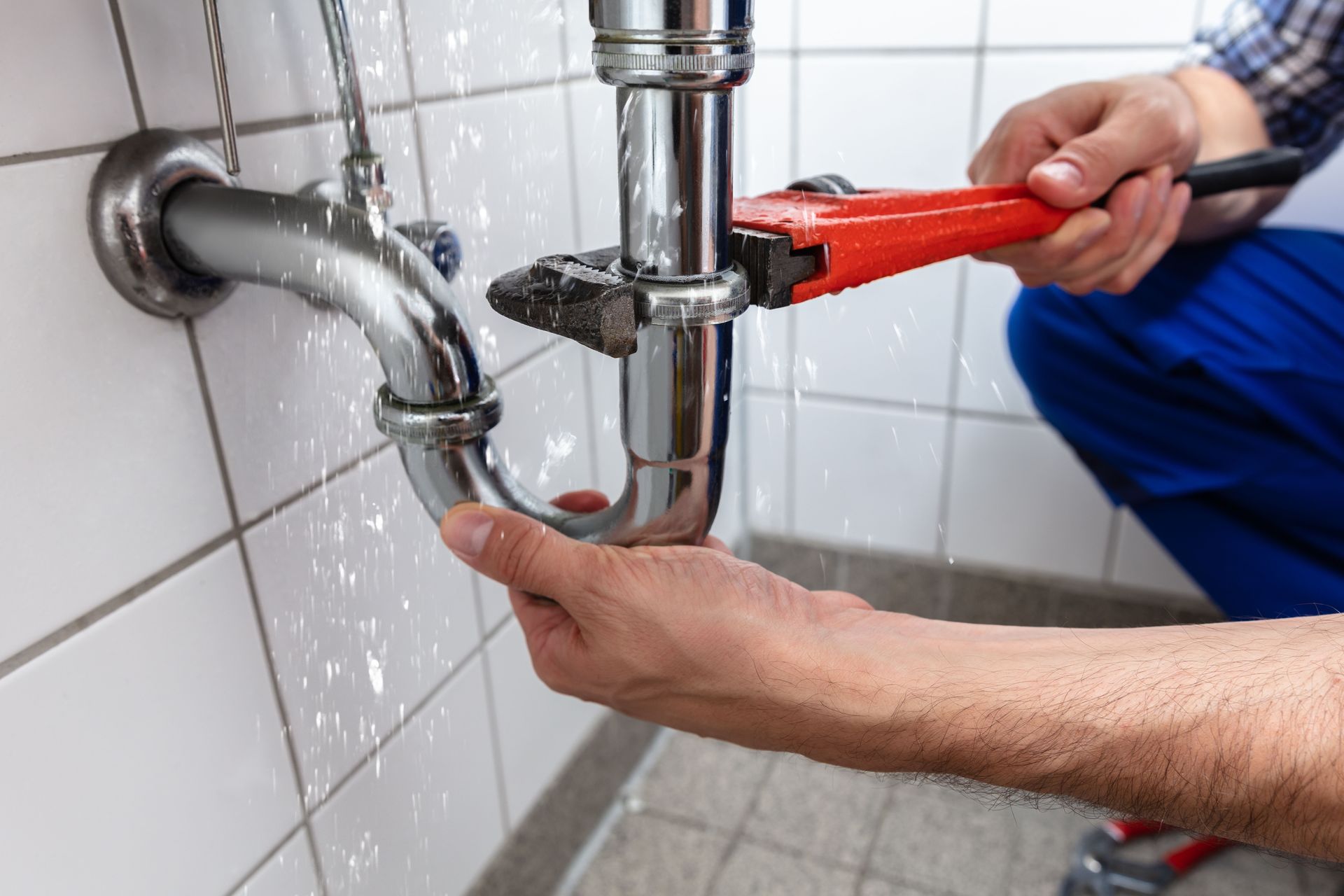
Conduits designed for liquid waste are frequently compromised by the introduction of solid objects that belong in a trash receptacle. Inadvertent drops of small personal care items, toys, cosmetic caps, and dental floss can instantly lodge themselves in the sharp bends of a plumbing system. Unlike organic material, these synthetic items will never decompose or yield to water pressure, creating a permanent structural obstruction within the pipe. These items often become wedged tightly in the p-trap directly beneath the sink basin, completely halting any further drainage.
Furthermore, products marketed as flushable, such as certain wet wipes and feminine hygiene items, do not disintegrate in the same manner as standard toilet paper. These fibrous materials retain their tensile strength when submerged, catching on pipe joints and rough edges. Once an object becomes stuck, it acts as a dam, collecting subsequent waste and toilet paper until the line backs up completely into the lowest fixtures of the home. This collective mass can easily overwhelm residential sewer laterals, causing widespread issues that impact multiple bathrooms simultaneously.
Invading Underground Pipeline Networks
The challenges confronting a plumbing system are not confined to the interior of the structure, as external environmental factors also pose a significant threat. Subterranean sewer lines transport wastewater away from the foundation toward municipal mains, passing directly through landscapes containing mature trees and shrubs. In their natural search for moisture and nutrients, tree root systems can detect the microscopic vapor signatures escaping from tiny cracks or joints in underground pipes. The roots naturally grow toward these moisture sources, wrapping around the exterior of the pipe in search of a way inside.
Once a root find a point of entry, it penetrates the pipe wall and thrives in the nutrient-rich environment inside the sewer line. What begins as a hair-like strand quickly expands into a massive, woody root ball that fills the entire diameter of the buried pipe. This root mass completely halts the flow of waste and can structurally shatter the pipeline, leading to soil contamination and requiring extensive excavation to remedy. The structural damage caused by this root expansion often allows surrounding dirt and rocks to enter the collapsed line.
Resolving Systemic Plumbing Infrastructure Issues
Maintaining a functional waste system requires consistent vigilance and a clear understanding of what should never enter the plumbing infrastructure. While simple behavioral adjustments can prevent a significant percentage of obstructions, the natural accumulation of scale, organic material, and external elements over time is often inevitable. Recognizing the early warning signs of restricted flow allows property owners to address vulnerabilities before they escalate into costly structural emergencies. Taking note of sluggish performance early on can mean the difference between a simple maintenance visit and an emergency restoration project.
When standard preventative habits are no longer sufficient to maintain proper flow, turning to professional expertise is the safest way to preserve your infrastructure. Specialized diagnostic tools, such as high-resolution sewer cameras and hydro-jetting equipment, can identify and eliminate deep-seated obstructions without endangering the physical integrity of old or fragile pipes. Investing in professional maintenance ensures that your wastewater network remains clean, safe, and fully operational for years to come.
If you are experiencing slow-moving fixtures, gurgling noises in your walls, or recurring backups, do not wait for a complete system failure to take action. Timely intervention can mitigate the risk of contamination and spare your family from the stress of a major home cleanup project. Contact A-List Drains Inc today to schedule a comprehensive plumbing inspection and professional cleaning to eliminate
clogged drains before they cause severe property damage.

Share On: